
We are happy to introduce the project to you!
Please contact our Sales Manager to arrange a meeting at the Business Center Košice.

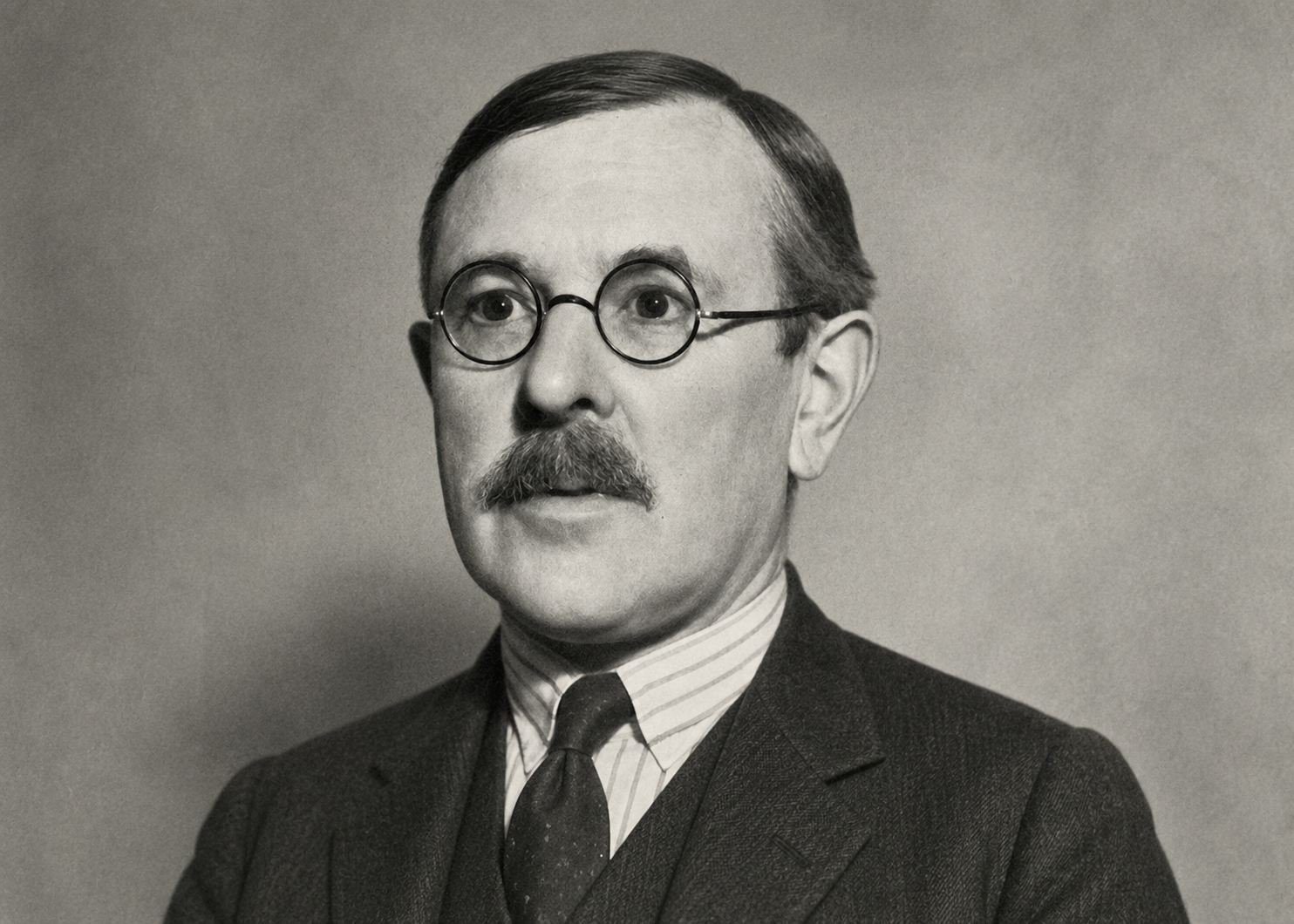
The name of the district refers to the former Watsonova Street, which once existed in this area. The street was named after Robert William Seton-Watson, a British historian, journalist, and one of the most important foreign supporters of Slovaks during the early 20th century.
So who was the man whose name has remained part of Košice’s story?
Robert William Seton-Watson was among the most influential international supporters of Slovaks and Czechs before the creation of Czechoslovakia. As a historian and publicist, he focused on national issues within the Austro-Hungarian Empire and drew attention to the challenges faced by Slavic nations living under its rule.
Writing under the pseudonym Scotus Viator, he published articles, books, and analyses defending the rights of Slovaks to preserve their language, culture, and national identity. Over time, he became one of the strongest foreign voices advocating for greater recognition of Slovak aspirations.
During the First World War, Seton-Watson worked closely with Tomáš Garrigue Masaryk and supported the idea of an independent Czechoslovak state. Through his publications, political connections, and public engagement in Great Britain, he helped bring the Czechoslovak cause to the attention of Western Europe.
Although he was neither a politician nor a statesman, his influence on public opinion was considerable. Today, he is regarded as one of the key international figures who contributed to the emergence of Czechoslovakia in 1918.
The original Watsonova Street in this part of Košice was named in honour of Robert Seton-Watson and his contribution to Slovak history. Although the area has changed significantly over the decades, the historical connection remains.
The name WatsoNova builds on this legacy, linking the site’s historical identity with its modern transformation and future development.
Robert Seton-Watson passed away in 1951 at the age of 72, but his legacy continues to be remembered through historical works, memorials, and place names associated with his life and achievements.
While many people may no longer recognize his name, his contribution to Slovak history remains significant. In Košice, that legacy survives in the name of a place that continues to write its own new chapter.